
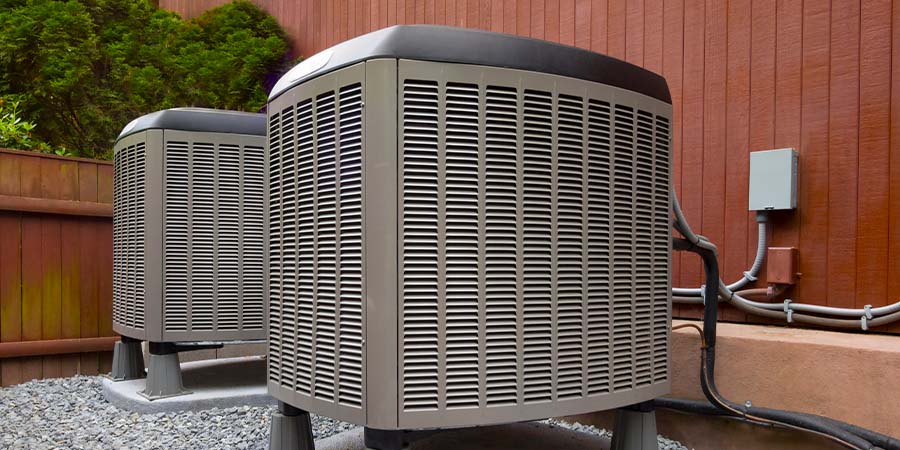
Heat Pumps Built for Missouri Weather
A heat pump is one of the few systems capable of both powerful cooling and efficient heating from a single unit, which makes it worth serious consideration for anyone installing a new comfort system. The efficiency only holds up when the system is sized correctly and installed by technicians who know what they’re doing.
Fresh Air Heating & Cooling has been family owned and operated since 1987, and as a Carrier Factory Authorized Dealer, every technician and installer on staff is NATE and NCI-certified, licensed, and OSHA trained. That combination of experience and manufacturer backing is what keeps heat pump installations across Chesterfield, St. Louis County, and St. Charles County running the way they’re supposed to.
How Heat Pump Systems Work
A heat pump looks and functions a lot like a central air conditioner: an outdoor unit, an indoor unit, and, unless you go with a ductless mini-split, a system of ducts that distribute conditioned air through the house. In cooling mode, refrigerant evaporates in the indoor coil, pulling heat out of the air inside, then condenses outdoors to release that heat.
What sets a heat pump apart is the reversing valve, which lets it run that cycle backward. In heating mode, refrigerant evaporates outdoors, pulling heat out of the outside air even when it’s cold, gets compressed to boost its thermal energy, then condenses indoors to release that heat into the house. No new heat is generated in the process, which is what makes a heat pump’s heating mode so efficient compared to a standard furnace.
Warning Signs: Strange Noises From a Heat Pump
Unusual sounds are often the earliest warning a heat pump gives before a bigger problem shows up. Grinding, hissing, rattling, or buzzing each point toward something different, like a loose component, a refrigerant leak, or an electrical issue, and none of them should be written off as background noise. Catching one early and calling a professional in is almost always cheaper than waiting for it to turn into a full repair or a breakdown mid-season.
Consider a Hybrid Heat Dual Fuel System
Missouri winters don’t usually get cold enough to overwhelm a heat pump, but on the coldest days, efficiency can drop. A hybrid dual fuel system pairs a heat pump with a traditional gas furnace, automatically switching to the furnace when that becomes the more efficient way to heat the house, then switching back to the heat pump once temperatures allow. For homeowners who want the efficiency of a heat pump without giving up reliable heat on the coldest nights, it’s a solid option.
Whichever system you run, staying on top of maintenance is what keeps it working the way it’s supposed to. Our maintenance program covers both heating and cooling components in the same visit, since a heat pump depends on both to perform.
Frequently Asked Questions – Heat Pumps
Do heat pumps work in Missouri winters?
Yes. A heat pump handles most of a Missouri winter on its own, and on the coldest days a hybrid dual fuel system automatically switches to a gas furnace to keep heating efficient. It’s designed to run year-round in this climate, not just as a summer cooling system.
How long do heat pumps last?
A well-maintained heat pump typically lasts 12 to 15 years, though that depends heavily on how consistently it’s serviced. Because a heat pump runs in both heating and cooling mode year-round, it sees more operating hours than a standalone furnace or AC, which makes routine maintenance especially important.
Heat pump vs. furnace: which is right for my home?
A heat pump offers efficient heating and cooling from a single system, which makes it a strong fit for most homes. A furnace paired with a heat pump, in a hybrid dual fuel setup, is worth considering for homes that want backup heating capacity on the coldest days. The right choice depends on the home’s insulation, size, and how cold the winters typically run.
How often does a heat pump need maintenance?
A heat pump should be serviced twice a year, once heading into the cooling season and once heading into the heating season, since it relies on both sides of the system year-round. Skipping either visit increases the odds of a breakdown during the season it’s needed most. We offer maintenance plans that can help keep your heat pump system strong.
What does it cost to run a heat pump?
Operating cost depends on the system’s efficiency rating, the size of the home, and local energy prices, but heat pumps are generally less expensive to run in heating mode than electric resistance heat, since they move existing heat rather than generating new heat. A properly sized, well-maintained system will run more efficiently than one that’s undersized or overdue for service.
What does it mean if my heat pump is making noise?
Grinding, hissing, rattling, or buzzing each suggest a different issue, from a loose component to a refrigerant leak to an electrical problem. Any of these is worth a professional inspection before the system is run further, since ignoring the noise usually turns a minor issue into a bigger repair.